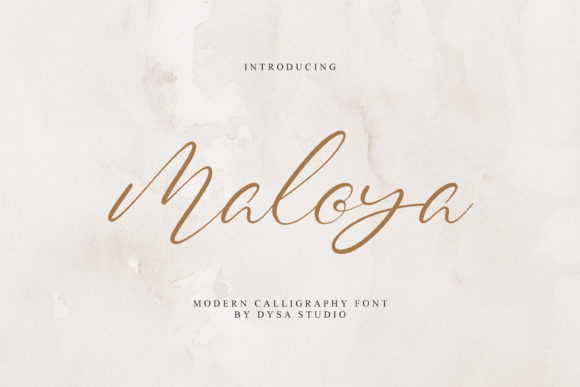
Maloya: A Script Font for Handmade Makers
The morning light was just hitting my workbench when I opened the design file for a new batch of soy candle labels. I had been struggling to find the right balance between rustic charm and high-end elegance. My usual go-to handwritten fonts felt too casual, while the stiff serif options lacked the warmth I wanted for a small-batch, artisanal brand. That is when I loaded Maloya. As soon as I typed out the scent name, "Wild Lavender & Sage," the difference was immediate. The letters flowed into one another with a natural rhythm that felt less like digital typography and more like actual calligraphy brushed onto paper. It was the moment I realized this script font was not just another asset in my library; it was a tool that could elevate the perceived value of every product I create.
Bringing Elegance to Product Labels and Packaging
For anyone running a handmade business, whether you are selling on Etsy, at local craft fairs, or through your own website, packaging is your silent salesman. Maloya excels in this arena because it carries an inherent sophistication. When I applied it to my candle labels, the font’s stylish alternates allowed me to customize the look for different scents. For a richer, heavier scent like "Tobacco & Vanilla," I used a swashier alternate for the capital letter to give it more weight and presence. For lighter, floral scents, I kept the ligatures tight and delicate. This level of control is crucial for brand identity. It ensures that while each product has its own personality, they all belong to the same cohesive family.
Beyond candles, I have found this typeface invaluable for boutique tags attached to knitwear, jewelry cards, and soap wrappers. The fluidity of the script makes even simple words like "Handmade with Love" or "Thank You" feel special and intentional. When customers receive a package adorned with such elegant packaging design, it creates an emotional connection before they even open the box. It signals care, attention to detail, and quality. Using a premium font like Maloya transforms a basic manila tag into a keepsake item that customers are likely to save rather than discard.
Ideal Uses for Wedding Stationery and Invitations
If you are a stationery designer or a printable creator specializing in weddings, Maloya is a dream to work with. Wedding invitations require a delicate touch; the text needs to be romantic but legible, ornate but not overwhelming. I recently designed a suite of wedding welcome boards and place cards using this font. The ligatures in Maloya connect letters seamlessly, mimicking the flow of traditional calligraphy without the steep learning curve of mastering a brush pen. This makes it perfect for DIY brides who want a professional look for their digital downloads or for designers creating custom templates.
The font works beautifully for names, dates, and short phrases. I paired it with a clean, lightweight sans serif font for the body text containing the venue details and RSVP information. This contrast is essential in editorial design and invitation layouts. The script draws the eye to the most important elements—the couple’s names and the date—while the sans serif ensures the logistical information is easy to read. This combination creates a modern, airy aesthetic that is currently very popular in wedding trends. Whether you are designing save-the-dates, menu cards, or thank-you notes, Maloya adds that layer of ravishing elegance that clients are often looking for.
Creating Standout Digital Printables and Wall Art
In the world of digital products, standing out in a crowded marketplace requires strong visual appeal. I use Maloya frequently for printable wall art, particularly for quotes and inspirational phrases. Because it is a display font, it shines when used at larger sizes. I created a series of minimalist nursery prints featuring single words like "Dream," "Love," and "Grow." The stylistic alternates allowed me to vary the design for each print, ensuring that even though they were part of a set, each piece felt unique. The swashes add a decorative flourish that fills negative space nicely, making the artwork feel complete without needing additional graphics or illustrations.
This approach also works well for planner pages and organizational printables. While I would not recommend using a complex script for long paragraphs of text due to readability concerns, it is perfect for headers, section titles, and motivational quotes scattered throughout a planner. It breaks up the monotony of grid lines and checkboxes, adding a touch of personality to functional items. For social media graphics, using Maloya for quote overlays can significantly increase engagement, as the aesthetic appeal encourages users to pause and read.
Practical Tips for Cutting Machines and Merchandise
For those of us who use Cricut or Silhouette machines, working with script fonts can sometimes be tricky. Intricate connections can break if the cut settings are not precise, or if the font is scaled down too small. Maloya handles relatively well, but I always advise doing a test cut on scrap material first. When designing for vinyl stickers or heat transfer vinyl (HTV) for shirts and tote bags, keep the design size reasonable. The fine lines of the script need enough space to breathe. I found that using Maloya for monograms on tote bags produced stunning results, provided I welded the letters properly in my design software to maintain the ligatures.
When using this font for mugs or signs, consider the background contrast. A dark script on a light background, or vice versa, ensures maximum visibility. Avoid placing Maloya over busy patterns or photographs, as the intricate details of the script can get lost. For best results, use it on solid colors or subtle textures. This advice applies to both physical merchandise and digital mockups. A clean presentation highlights the font’s beauty and helps potential customers visualize the final product.
Understanding Licensing and File Formats
Before incorporating any new typeface into your commercial projects, it is vital to check the licensing terms. Maloya is designed for creative use, but you must ensure you have the appropriate commercial license if you are selling physical products, templates, or digital downloads. Always verify what is included in the download package. Does it come with web fonts for your online store? Are there OTF and TTF versions for different software compatibility? Understanding these details prevents legal issues and ensures smooth workflow integration.
Additionally, explore the full character set. Many premium script fonts include multilingual support, which can be a selling point if you cater to an international audience. Check for extra glyphs, such as dingbats or decorative elements, that can enhance your designs. Taking the time to understand the technical aspects of the font allows you to use it more effectively and creatively.
Incorporating Maloya into your design toolkit is more than just choosing a pretty font; it is about enhancing the story your products tell. From the first glance at a candle label to the lasting impression of a wedding invitation, this script font brings a level of sophistication that resonates with customers. It bridges the gap between handmade charm and professional polish, making it an indispensable asset for any crafter or designer looking to elevate their brand.