Designer Style: A Whimsical Script Font for Web
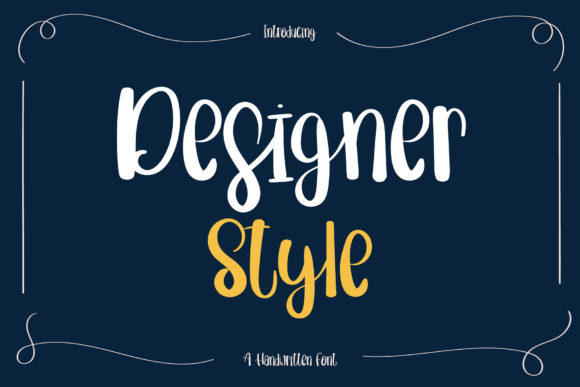
In the crowded landscape of digital design, typography is often the first element a user notices before they even process the imagery. As web designers and UI creators, we are constantly balancing aesthetic appeal with functional clarity. Designer Style emerges as a compelling solution for projects that require a touch of personality without sacrificing the relaxed, approachable vibe modern audiences crave. This whimsical script font brings a lovely, handcrafted feel to digital interfaces, making it an incredibly valuable asset for any designer’s library.
Unlike rigid geometric typefaces, Designer Style offers a fluid rhythm that mimics natural handwriting. This characteristic is crucial for establishing an emotional connection with users. When integrated into a website header or a landing page hero section, it immediately signals that the brand is human-centric, creative, and attentive to detail. For digital product creators, this means the difference between a sterile corporate interface and a warm, inviting user experience.
Enhancing Visual Hierarchy in Digital Layouts
One of the primary challenges in web design is guiding the user’s eye through content effectively. A decorative display font like Designer Style excels at creating distinct visual anchors. By using this script font for main headings or short introductory phrases, you create a clear separation between structural content and decorative elements. This contrast helps users scan pages faster, identifying key messages without feeling overwhelmed by blocks of text.
Consider a coaching website or a personal portfolio. The hero section needs to capture attention instantly. Placing Designer Style over a clean, minimal background allows the typography to breathe. The relaxed theme of the font softens the overall look, making high-ticket services or creative works feel more accessible. It acts as a visual break, offering rest to the eye before the user dives into denser information presented in a sans serif font.
Strategic Applications Across Web Platforms
The versatility of Designer Style extends beyond simple headers. Its potential shines in various digital contexts where brand tone is paramount. Here is how you can leverage this typeface effectively:
- Landing Pages: Use it for subheadings that highlight unique value propositions. The whimsical nature adds charm to sales copy, reducing the perceived aggressiveness of marketing language.
- Online Stores: Boutique brands benefit significantly from script fonts. Apply Designer Style to banner graphics, seasonal sale announcements, or product category titles to evoke a sense of craftsmanship and exclusivity.
- Digital Products: For course creators, this font works beautifully on module titles or certificate templates. It adds a premium, personalized touch that static standard fonts cannot match.
- Social Media Graphics: Consistency is key for brand identity. Using the same script font across Instagram stories, Pinterest pins, and Facebook covers ensures immediate recognition.
However, restraint is essential. Because Designer Style is a script font, it should not be used for long paragraphs or body copy. Its strength lies in short phrases, logos, and decorative accents. Overusing it can hinder readability and slow down scanning behavior, which negatively impacts conversion rates.
Readability and Responsive Design Considerations
When implementing any handwritten font, mobile responsiveness is a critical factor. On smaller screens, intricate loops and connections in script fonts can become illegible if the font size is too small. To maintain usability, ensure that Designer Style is used at a sufficiently large point size on mobile devices. Avoid placing it inside small buttons or tight navigation menus where space is limited.
Contrast also plays a vital role in digital readability. Designer Style performs best when there is high contrast between the text and the background. On light backgrounds, use dark, solid colors for the font. If you are overlaying text on images, ensure the background is uncluttered or use a semi-transparent overlay to make the white or light-colored script pop. This ensures that the lovely style of the font remains clear and does not blend into complex textures.
Effective Font Pairing for Modern Typography
A successful web design relies heavily on font pairing. Since Designer Style is expressive and organic, it pairs best with neutral, structured typefaces. A clean sans serif font is the ideal companion for body copy, providing a stable foundation that lets the script shine without competing for attention. This combination creates a balanced editorial design feel that is both professional and creative.
Alternatively, for a more traditional or luxurious brand identity, you might pair Designer Style with a classic serif font. This approach works well for wedding planners, high-end consultants, or artisanal food brands. The serif adds authority and tradition, while the script injects warmth and personality. Always test these combinations in your actual layout to ensure the x-heights and weights complement each other visually.
Licensing and Technical Implementation
Before integrating Designer Style into client projects or commercial products, it is essential to review the licensing terms. Most premium fonts require specific licenses for web use, particularly if you are embedding them via @font-face or using them in digital templates sold to others. Ensure you have the correct commercial font license for websites, online stores, and app screens.
From a technical standpoint, check the available file formats. Webfont formats like WOFF and WOFF2 are optimized for fast loading times, which is crucial for maintaining good Core Web Vitals scores. Verify if the font includes multilingual support if your target audience is global. Additionally, look for alternates or ligatures within the font family. These features allow you to customize the look of specific letter combinations, adding a unique flair to logo design and headline treatments.
Incorporating Designer Style into your design assets is not just about aesthetics; it is about crafting a consistent online identity. When used thoughtfully, this script font enhances brand trust and user engagement. It transforms standard web elements into memorable experiences, proving that the right typeface can elevate a digital product from functional to exceptional. Whether you are designing a SaaS dashboard with a friendly twist or a creative agency site, Designer Style offers the perfect blend of whimsy and professionalism needed to stand out in today’s digital marketplace.